

What if looking after your future started with a few habits you can begin today? Walking more, varying your meals, getting more regular sleep… These steps can help protect your health over the years.
A longevity and anti-ageing approach works best with a concrete goal: keeping your abilities, your independence and your enjoyment of life. The World Health Organization defines healthy ageing around the abilities that allow you to maintain your wellbeing.[1]
So where do you start? Here are some guidelines to move forward at your own pace, without promises of eternal youth.

Key Takeaways
- Vary your meals with gradual changes.
- Move regularly, within your abilities.
- Keep consistent sleep times.
- Make time for the people close to you.
- Protect your skin from the sun.
- Check the evidence before believing an anti-ageing claim.
Longevity vs anti-ageing: what’s the difference?
Does living longer necessarily mean living better? Lifespan and the quality of the years you live are two complementary ideas. Being able to get around, talk with others, learn and do activities you enjoy matters too.[1]
According to the WHO, healthy ageing means developing and maintaining the abilities that enable wellbeing. So the goal isn’t just the absence of disease.[1]
“Anti-ageing” also covers research on biological ageing. But a result in cells or animals doesn’t show that a product increases human longevity — a distinction France’s national health research institute, Inserm, has stressed when looking at claims made for certain peptides.[7] To explore the vocabulary, see cellular senescence and inflammaging.
What is the best diet for healthy ageing?
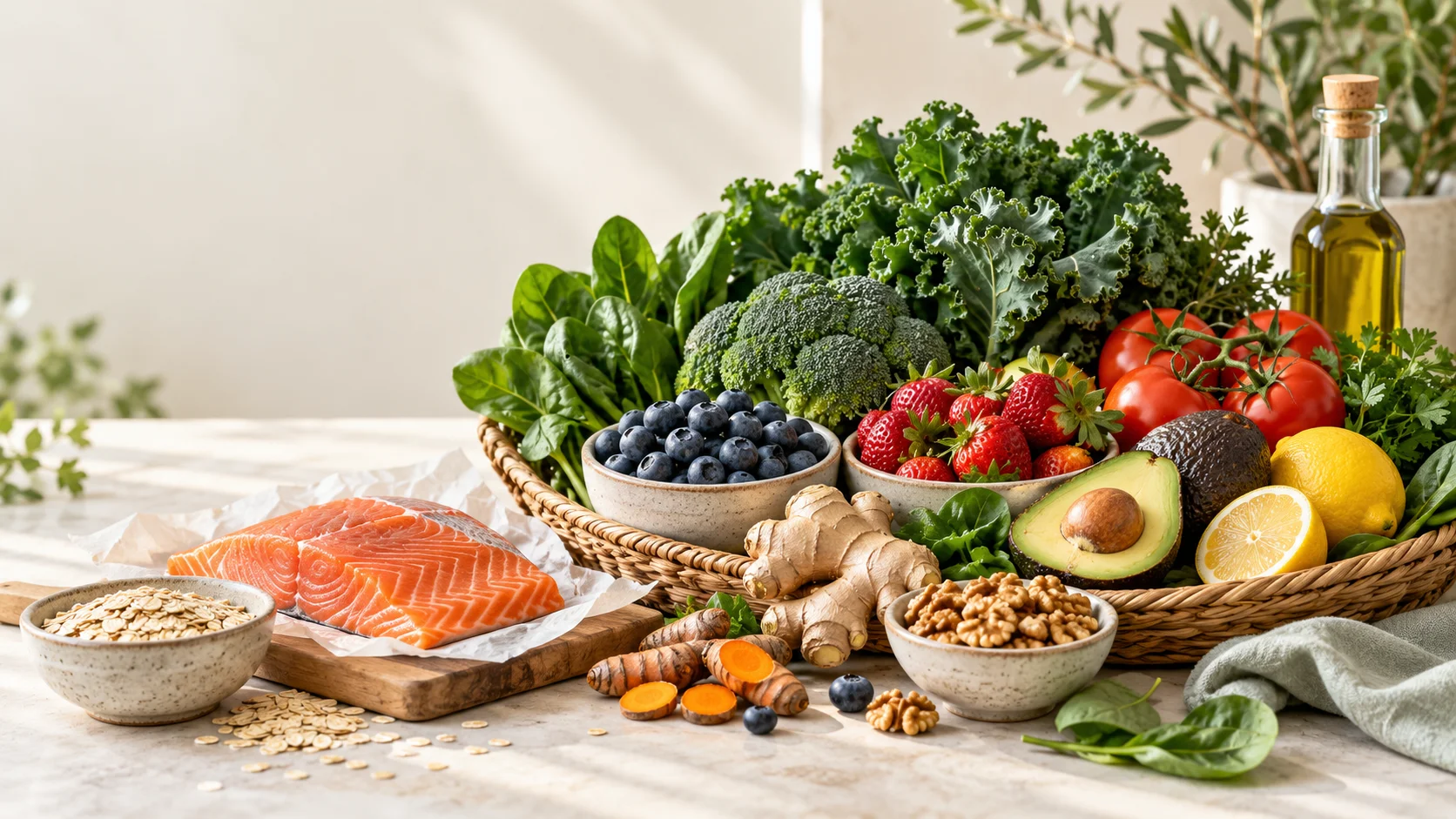
Do you need to find an exceptional food? Healthy-eating guidelines favour a set of habits: more fruit and vegetables, beans and pulses and wholegrain starchy foods, with fewer sugary drinks and foods high in fat, sugar or salt.[3]
{{cta}}
How can you improve your meals without changing everything?
Picture your usual lunch. You could add a portion of vegetables, choose wholemeal bread or cook a batch of chickpeas for several meals.
Should you eat less to live longer?
Talk about longevity can make you want to skip meals or pile on restrictions. Yet research on ageing isn’t a personal diet prescription.
Eating enough, in a balanced and varied way, remains essential for health, especially to maintain muscle mass as you age.[8]
If you’re losing weight without trying, your appetite is falling or you’re considering a restrictive diet, get tailored advice before making big changes to your meals.
Why does movement help preserve your health?
What if your next step was simply to go for a walk? Regular physical activity benefits physical and mental health. In particular, it helps prevent and manage several chronic diseases.[2]
How do you start if you don’t move much?
Some activity is better than none.[2] Start with a manageable amount, then build up: a short walk, a journey on foot or an activity you enjoy.
If you have a health condition, pain or difficulty getting active again, get support.
How can you get more regular sleep?
Do your evenings leave real room for recovery? Regular sleep times, a restful environment and adjusting the habits that get in the way of falling asleep all help.[4]
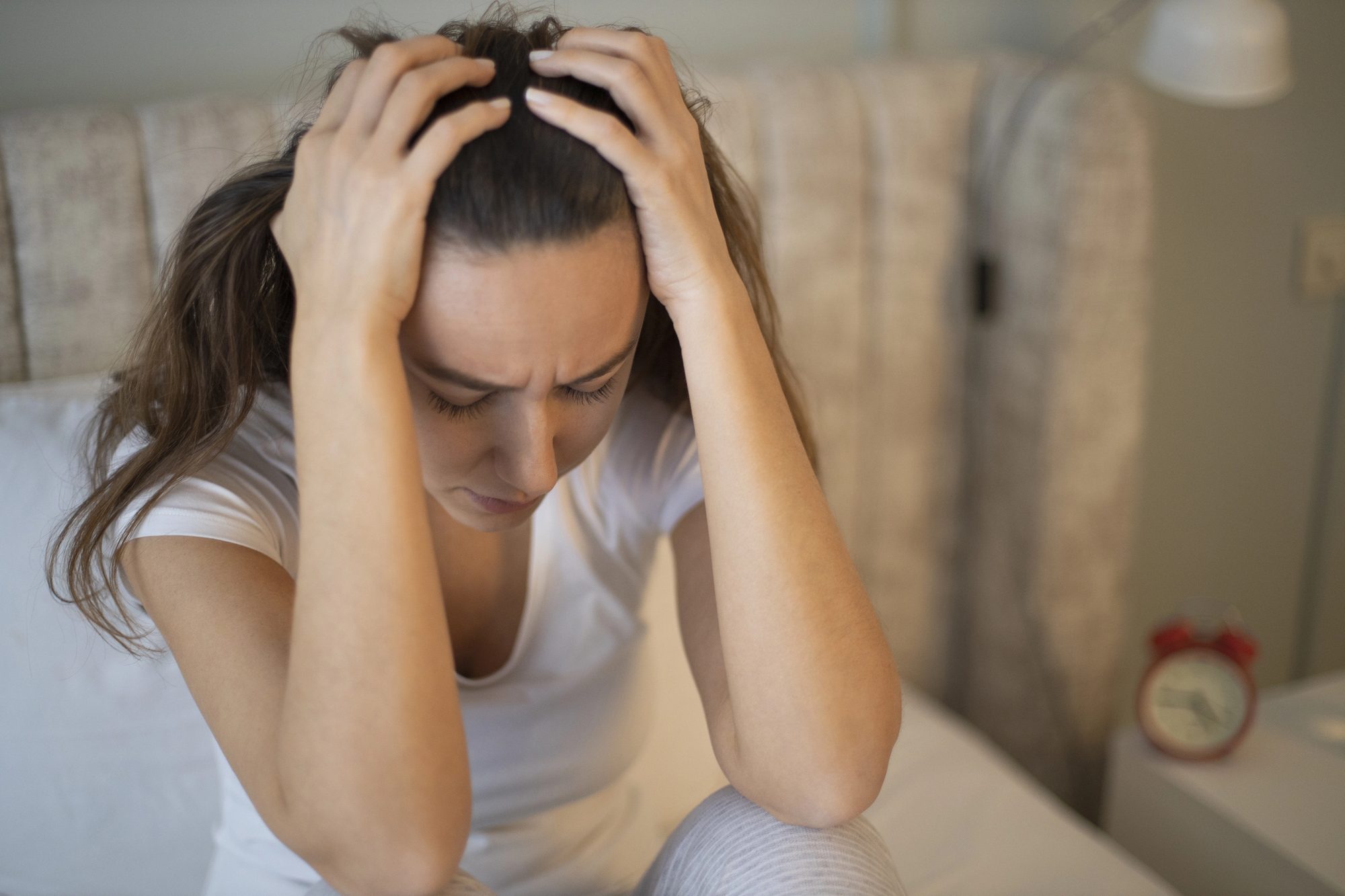
Sleep shouldn’t become yet another performance target. Sleeping better may need proper care, rather than another effort to “succeed” at your nights. To understand the links between stress and fatigue, see our advice on stress and fatigue.
What role do stress and social connection play?
Does your diary still have moments that do you good? A walk, an activity you enjoy or a quiet break can find a place in a busy day.
Relationships matter too. According to the WHO, strong social connections are associated with better health and greater longevity. This association can’t predict a number of extra years for any one person.[5]
For ideas suited to your needs, read how to reduce stress naturally.
How can you protect your skin over the years?
Can a cream replace sun protection? To limit UV damage, combine shade, covering clothes, a hat, sunglasses and suitable sunscreen on exposed areas.[6]
Your skincare routine can then stay simple and suited to your comfort. A cosmetic benefit doesn’t show a longer life: skin goals and longevity remain separate.
Are supplements essential?
Can a capsule replace these habits? A supplement doesn’t replace a varied diet. Its composition and any interactions need to be taken into account.[10]
Rejuvenation claims need precise evidence. A possible mechanism and a benefit shown in humans are two different things.[7] Research on collagen also has limits, particularly on whether any effects last.[11]
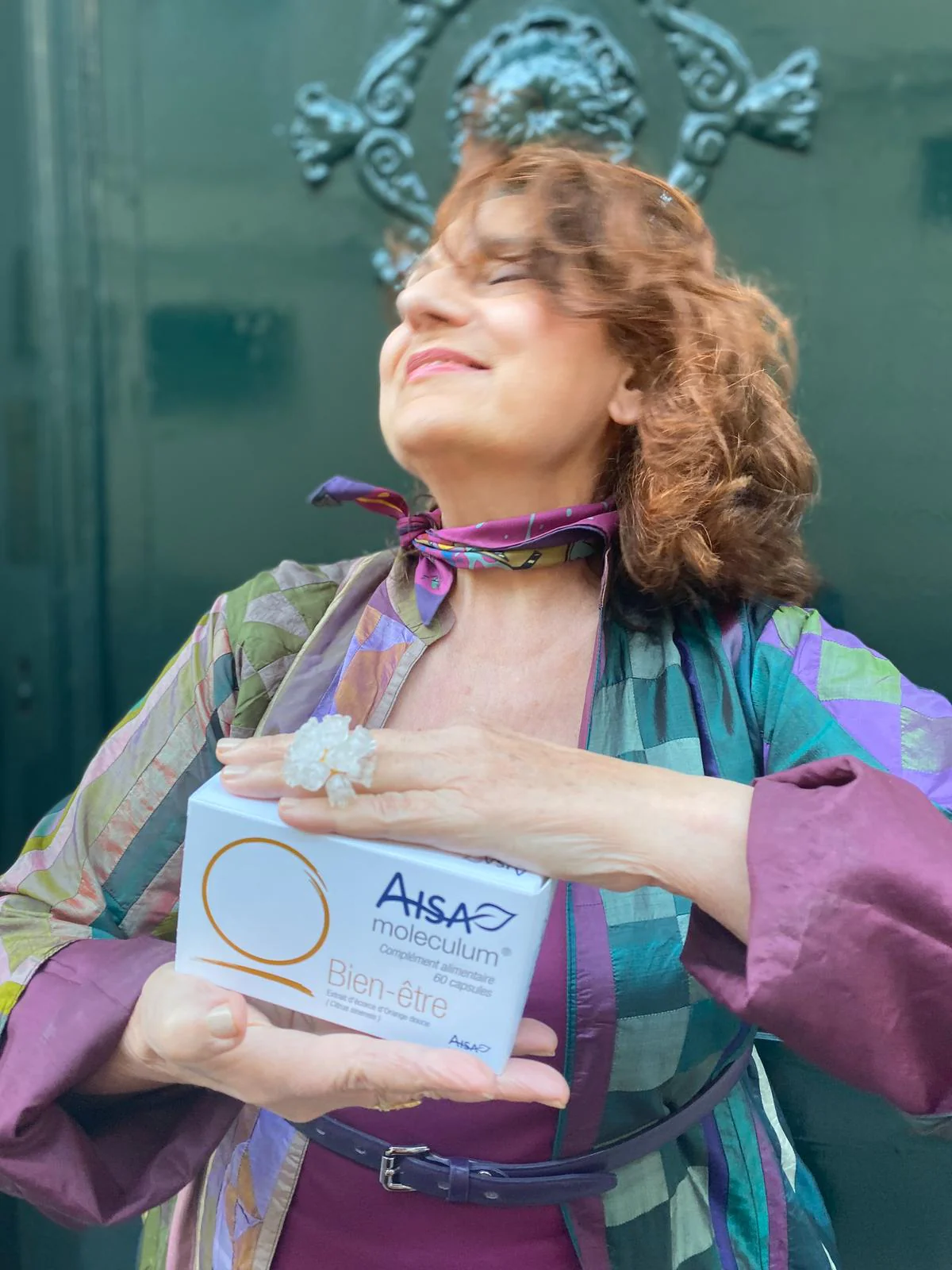
To learn about the brand’s range, you can discover AISA Moleculum Capsules. This article does not show that they extend life.
How to age well: which prevention habits come first?
Should you look for a new anti-ageing routine before looking at your current habits? Some levers already have well-established benefits.
If you smoke, getting support to stop can improve your health and, in particular, reduce the risks of cancer and heart disease.[12]
You can also review your usual check-ups and prevention needs with your doctor. Your age, history and health matter more than a standard programme found online.
Sources
- World Health Organization, “Ageing: Healthy ageing” (definition and goals). who.int
- World Health Organization, “WHO guidelines on physical activity and sedentary behaviour”, 2020. who.int
- NHS, “Eating a balanced diet”. nhs.uk
- NHS, “Insomnia”. nhs.uk
- World Health Organization, “Social connection linked to improved health and reduced risk of early death”, 30 June 2025. who.int
- NHS, “Sunscreen and sun safety”. nhs.uk
- Inserm, Canal Détox, “Ageing, sports performance, sleep: what does the science on peptides really say?” (in French). presse.inserm.fr
- NHS, “Malnutrition”. nhs.uk
- NHS, “Sleep apnoea”. nhs.uk
- NIH, NCCIH, “Using Dietary Supplements Wisely”. nccih.nih.gov
- Inserm, Canal Détox, “Collagen to relieve pain, really?” (in French). presse.inserm.fr
- NHS Better Health, “Quit smoking”. nhs.uk
Anti-inflammatory capsules
«Inside-out» dietary supplement supports the integrity of the intestinal barrier and a balanced microbiome, helping to manage stress. 2 to 4 capsules daily on an empty stomach. Content corresponds to a take for 2–3 weeks. European clinical study on 138 healthy patients aged 65–85, for 45 days.

FAQ
Everything you need to know before placing an order: simple and clear.
Can you slow down or stop ageing naturally?
No habit described here can stop ageing. The goal is to preserve the abilities that support your independence and quality of life.[1]
Is it too late to start after 60?
No. Physical activity guidelines also apply to older adults, adjusted to their health and abilities, with extra attention to strength and balance.[2]
What is the best anti-ageing food?
No single food replaces a balanced diet. Guidelines are based on eating a variety of foods.[3]
Should you take supplements all year round?
Long-term or repeated use deserves professional advice. Follow the directions for use and have any combinations checked.[10]
Which habit should you start with?
Choose a concrete, achievable goal: walking a little more, improving one meal or keeping a steady wake-up time. Start with a step you can repeat.
Latest posts
Did you enjoy this latest article? If so, you might be interested in this selection.







Ready to slow down the aging process?
Sign up for our newsletter and join the thousands of people who follow us to regain energy, vitality, and well-being.
