
Muscular, joint & nerve pain
Persistent Pain: What Natural Solutions Can Relieve Muscles, Joints, and Nerves?

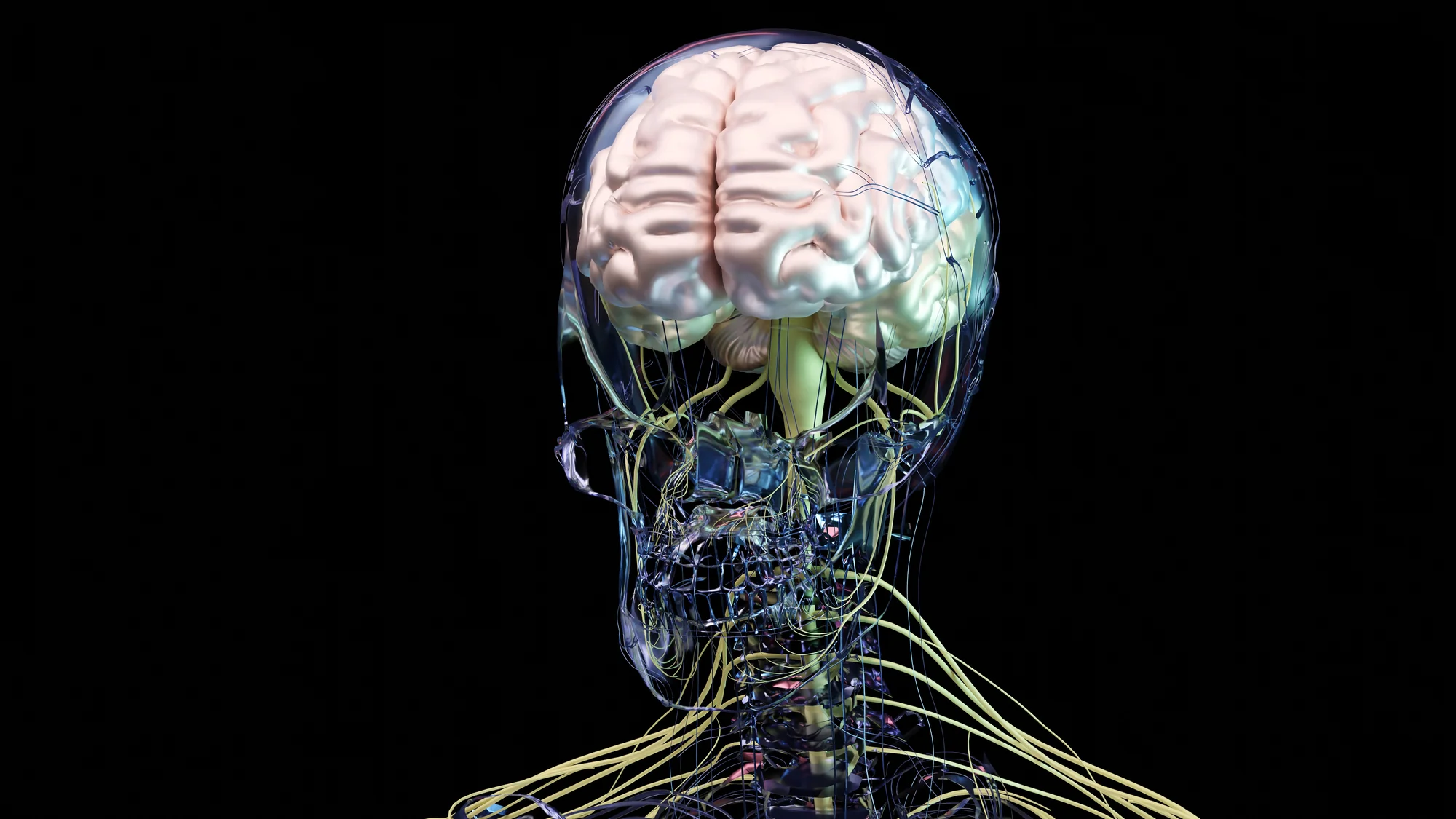
Have you ever felt like your body is sending you an alarm signal you just can’t switch off? Joint stiffness upon waking. Muscle pain with no apparent reason. A nerve sensation that burns, goes numb or tingles. For millions of people, these symptoms aren’t occasional. They’re daily. And they wear people down deeply.
Chronic pain affects about one adult in five in Europe.[1] It can stem from joint inflammation, cartilage wear, or a condition such as fibromyalgia, rheumatoid arthritis or osteoarthritis. It can also be linked to a neurological disease, a vitamin deficiency, or chronic stress that sustains silent inflammation throughout the body. Sometimes, there’s no precise diagnosis. And that’s often the hardest part to live with.
As a doctor specialising in the mechanisms of inflammation and healthy ageing, I have met many people who wanted to relieve their pain naturally. In this article, we’ll explore the real causes of persistent pain and the natural approaches that can help restore a genuine quality of life, alongside medical care.

Key Takeaways
- Muscle, joint and nerve pain differ.
- A precise diagnosis comes first.
- Regular movement is a key treatment.
- Sleep and calm lower pain.
- Supplements have modest effects.
- Red flags need urgent care.
Understanding Persistent Pain: Muscles, Joints, and Nerves
We often talk about “pain” as if it were a single thing. But your body knows the difference. And understanding it is already a decisive step toward relief.
Muscle pain is felt in the muscle fibres. It’s often diffuse and heavy, linked to injury, exertion or prolonged stress, and comes with muscle fatigue in the back, shoulders or hips.
Joint pain originates in the joints: knees, hips, hands, shoulders. It’s linked to joint inflammation, cartilage wear or an inflammatory disease, and is frequently accompanied by morning stiffness, sometimes by swelling and warmth.
Nerve pain, or neuropathic pain, burns, goes numb or feels electric. It follows the path of a nerve and can radiate over long distances. It arises from damage to the central or peripheral nervous system and often responds poorly to usual painkillers.[2]
What we observe in practice: many people suffer from more than one type at once. Chronic inflammation can affect muscles, joints and nerves, and the nervous system itself can amplify pain signals.
Why do some people slide into chronic pain? Many factors play a role. Chronic stress is an important one: when it lasts, immune cells become less responsive to cortisol and inflammation is less well controlled,[3] and the gut barrier becomes more permeable.[4] Postural imbalances, insufficient physical activity, a poor diet, excess weight and lack of sleep complete the picture. The good news: with the right combination of care, many people see their pain decrease significantly.
What Disease Causes Joint and Muscle Pain Throughout the Body?
Imagine waking up every morning feeling like your entire body was crushed overnight. Not a localised pain. Not a simple passing symptom. But a diffuse pain, affecting the muscles, the joints, the back, the hips, the hands.
This is what many people live through every day. Behind joint and muscle pain throughout the body, several conditions can be hiding.
Fibromyalgia, Osteoarthritis, Rheumatoid Arthritis: How Do You Tell Them Apart?
Fibromyalgia is a chronic pain syndrome with widespread pain, intense fatigue and sleep disturbances. Blood tests show no inflammation. Its diagnosis no longer relies on tender points: since 2010, doctors assess how widespread the pain is and how severe the other symptoms are.[5] It mainly affects women. Regular, adapted exercise is the first recommended treatment.[6]
Osteoarthritis is the progressive wear of cartilage in the knee, hip, spine and hands. Pain worsens with effort and eases with rest. Long considered purely mechanical, it is now known to involve low-grade inflammation of the whole joint, including the joint lining.[7]
Rheumatoid arthritis, on the other hand, is an autoimmune inflammatory disease: the immune system attacks the joint lining. It causes prolonged morning stiffness and warm, swollen joints, often on both sides of the body. A clinical examination, blood tests for antibodies and imaging are needed to reach a precise diagnosis, and early treatment protects the joints.[8]
Unexplained Pain, Fatigue, Aching Bones: When Should You See a Doctor?
You hurt everywhere. Your tests come back normal. And yet the pain is very real. Unexplained pain can be linked to fibromyalgia, low-grade silent inflammation, a severe vitamin D deficiency, or, after a tick bite, Lyme disease.
Bone pain combined with persistent fatigue should never be dismissed. It can point to osteoporosis with a fracture, a vitamin D deficiency (osteomalacia), an inflammatory disease, or, more rarely, a serious condition. If these symptoms last more than three weeks, see a healthcare professional. A blood test, including sedimentation rate, C-reactive protein (CRP), blood count and vitamin D, helps guide the diagnosis.
More rarely, diffuse bone, joint or muscle pain can be linked to a blood cancer or another cancer. It then usually comes with intense fatigue, weight loss and night sweats or fever. Don’t panic, but don’t dismiss these signs either.
What Neurological Disease Causes Muscle Pain?
The nervous system is the conductor of all our sensations. When it is affected, pain can arise anywhere, with no apparent trigger.
Multiple sclerosis is a well-known example: it affects the brain and spinal cord and can cause muscle spasms, neuropathic pain and profound fatigue. Peripheral neuropathy, often linked to diabetes or vitamin B12 deficiency, damages the nerves and causes burning, numbness and pain in the limbs.
Nerve pain has a recognisable signature: it burns, feels electric, goes numb, tingles. It can arise from the simple contact of fabric: this is allodynia. It responds poorly to usual painkillers because it comes from a dysfunction in nerve signalling itself; specific medicines are used instead.[2] The central nervous system can also become hypersensitive, a process called central sensitisation, and keep sending pain signals after the original injury has healed.[9]
What’s the Link Between Stress and Joint and Muscle Pain?
Chronic stress keeps the sympathetic nervous system switched on. Muscles tense, cortisol rises. When stress lasts, immune cells become less responsive to cortisol, so it no longer calms inflammation as it should.[3] Stress also makes the gut barrier more permeable.[4] Stiffness sets in. Joint pain worsens. Fatigue becomes chronic. Learning to manage your stress isn’t a luxury. It’s part of the treatment.
{{cocon}}
Deficiencies, Diet, and Pain: What Your Plate Says About Your Inflammation
What you put on your plate every day influences your inflammation and, for some people, their pain. Diet alone rarely makes chronic pain disappear, but it is one of the levers you control.
Certain deficiencies weaken the muscles, the bones and the nervous system. And certain foods sustain the inflammation that can fuel chronic pain.
Which Vitamin Deficiency Causes Muscle and Joint Pain?
Vitamin D deficiency is common. When severe, it can cause bone pain and muscle weakness; correcting a proven deficiency is useful, but vitamin D supplements have not shown a large effect on chronic pain in general.[11] Vitamin B12 deficiency causes tingling, numbness and nerve pain.[12] A true magnesium deficiency can cause cramps and muscle tension, although magnesium supplements are unlikely to prevent ordinary cramps in older adults.[13] Finally, a low intake of omega-3 may contribute to a more inflammatory state.
How Can an Anti-Inflammatory Diet Change the Game?
Certain foods sustain inflammation: refined sugar, ultra-processed foods and regular alcohol. Some people also report that dairy products worsen their symptoms; this varies from person to person. These are the categories to reduce first.
Conversely, an anti-inflammatory diet favouring oily fish rich in omega-3, colourful vegetables, spices such as ginger, quality oils (olive, rapeseed, flaxseed) and sources of magnesium (almonds, pulses, whole grains) is a healthy foundation. Losing excess weight also relieves the knees and hips.[14] I have seen people improve their quality of life by changing their eating habits, though the effect varies widely from one person to another.
What Natural Solutions Effectively Relieve Pain?
Some natural approaches have been studied in research, with modest but real effects for some of them. They complement, and do not replace, medical treatment.
{{cta}}
Plants, Magnesium, Essential Oils, and CBD: What Really Works
Devil’s claw (Harpagophytum) is recognised in the EU as a traditional herbal medicine to relieve minor joint pain.[15] Boswellia slightly improved pain and function in osteoarthritis trials.[16] Ginger extract produced a modest reduction in osteoarthritis pain, with more digestive discomfort than placebo.[17]
Magnesium plays a role in muscle contraction and relaxation, and in the laboratory it blocks NMDA receptors involved in transmitting pain. Supplements are useful mainly in case of deficiency; the European upper limit for magnesium from supplements is 250 mg a day.[18]
Essential oils of wintergreen (natural methyl salicylate), lavender or camphorated rosemary are used in diluted massage for muscle and joint pain; their precautions are important. CBD (cannabidiol) acts on the endocannabinoid system, but the International Association for the Study of Pain does not endorse cannabinoids for pain, for lack of high-quality evidence.[19] Finally, d-limonene, which my own research has focused on, has shown anti-inflammatory effects in cells and in animals, and lowered inflammation markers in healthy older adults;[20, 21] its effect on pain has not yet been studied.
Which Dietary Supplements Should You Favor for Joint Health?
Glucosamine and chondroitin are widely used, but their effect on osteoarthritis is uncertain, and NICE advises against glucosamine.[14] Type II collagen has been studied in a few small trials. Omega-3 (EPA and DHA) slightly reduce pain in rheumatoid arthritis.[22] Vitamin C is essential for collagen production, and a varied diet usually covers needs.
What Daily Habits Help You Live Better With Persistent Pain?
Moving is one of the best treatments for chronic pain. Moderate, regular movement, such as a gentle 20-minute walk a day, gentle yoga, tai chi or swimming, stimulates blood circulation, nourishes the cartilage and releases endorphins, the body’s natural painkillers. Exercise is a core treatment for osteoarthritis and fibromyalgia.[6, 14] Consistency matters more than intensity.
Sleep is a natural medicine. Poor or short sleep increases sensitivity to pain, and pain in turn disturbs sleep.[10] To improve sleep quality: regular hours, no screens for an hour before bed and, if needed, ask your pharmacist about melatonin or valerian.
For stress, heart coherence breathing, a few seconds of inhalation and a long, slow exhalation, repeated for 5 minutes up to 3 times a day, calms the nervous system and helps you relax. Meditation, yoga and gentle massage complete this approach.
When Should You See a Professional About Persistent Pain?
Certain signs should never be ignored: sudden, intense pain never felt before, a joint that becomes hot and swollen with fever, sudden numbness or weakness in a limb, back pain with urinary problems, extreme fatigue with unexplained weight loss, or pain after an injury that has not been checked.
Your GP is your first point of contact. They will refer you to a rheumatologist for persistent joint pain (osteoarthritis, rheumatoid arthritis, gout, ankylosing spondylitis), to a neurologist for nerve pain or numbness, and to an orthopaedic surgeon for severe structural damage. Physiotherapy often complements the care. Never face persistent pain alone.
Sources
- Breivik H, Collett B, Ventafridda V, Cohen R, Gallacher D. Survey of chronic pain in Europe: prevalence, impact on daily life, and treatment. European Journal of Pain, 2006;10(4):287-333. DOI 10.1016/j.ejpain.2005.06.009. pubmed.ncbi.nlm.nih.gov
- NICE, guideline CG173, “Neuropathic pain in adults: pharmacological management in non-specialist settings”. nice.org.uk
- Cohen S et al. Chronic stress, glucocorticoid receptor resistance, inflammation, and disease risk. PNAS, 2012;109(16):5995-5999. DOI 10.1073/pnas.1118355109. pubmed.ncbi.nlm.nih.gov
- Vanuytsel T et al. Psychological stress and corticotropin-releasing hormone increase intestinal permeability in humans by a mast cell-dependent mechanism. Gut, 2014;63(8):1293-1299. DOI 10.1136/gutjnl-2013-305690. pubmed.ncbi.nlm.nih.gov
- Wolfe F et al. 2016 revisions to the 2010/2011 fibromyalgia diagnostic criteria. Seminars in Arthritis and Rheumatism, 2016;46(3):319-329. DOI 10.1016/j.semarthrit.2016.08.012. fai2r.org
- Macfarlane GJ et al. EULAR revised recommendations for the management of fibromyalgia. Annals of the Rheumatic Diseases, 2017;76(2):318-328. DOI 10.1136/annrheumdis-2016-209724. doi.org
- Robinson WH et al. Low-grade inflammation as a key mediator of the pathogenesis of osteoarthritis. Nature Reviews Rheumatology, 2016;12(10):580-592. DOI 10.1038/nrrheum.2016.136. doi.org
- NICE, guideline NG100, “Rheumatoid arthritis in adults: management”. nice.org.uk
- Woolf CJ. Central sensitization: implications for the diagnosis and treatment of pain. Pain, 2011;152(3 Suppl):S2-S15. DOI 10.1016/j.pain.2010.09.030. doi.org
- Finan PH, Goodin BR, Smith MT. The association of sleep and pain: an update and a path forward. The Journal of Pain, 2013;14(12):1539-1552. DOI 10.1016/j.jpain.2013.08.007. doi.org
- Straube S, Derry S, Straube C, Moore RA. Vitamin D for the treatment of chronic painful conditions in adults. Cochrane Database of Systematic Reviews, 2015;(5):CD007771. DOI 10.1002/14651858.CD007771.pub3. cochrane.org
- NHS, “Symptoms – Vitamin B12 or folate deficiency anaemia”. nhs.uk
- Garrison SR et al. Magnesium for skeletal muscle cramps. Cochrane Database of Systematic Reviews, 2020;(9):CD009402. DOI 10.1002/14651858.CD009402.pub3. pmc.ncbi.nlm.nih.gov
- NICE, guideline NG226, “Osteoarthritis in over 16s: diagnosis and management”, 2022 (summary on GPnotebook). gpnotebook.com
- European Medicines Agency, herbal medicine “Harpagophyti radix” (devil’s claw root). ema.europa.eu
- Cameron M, Chrubasik S. Oral herbal therapies for treating osteoarthritis. Cochrane Database of Systematic Reviews, 2014;(5):CD002947. DOI 10.1002/14651858.CD002947.pub2. pmc.ncbi.nlm.nih.gov
- Bartels EM et al. Efficacy and safety of ginger in osteoarthritis patients: a meta-analysis of randomized placebo-controlled trials. Osteoarthritis and Cartilage, 2015;23(1):13-21. DOI 10.1016/j.joca.2014.09.024. doi.org
- EFSA tolerable upper level for magnesium from supplements (250 mg/day), as reported by NutraIngredients, 21 November 2016. nutraingredients.com
- International Association for the Study of Pain, “IASP position statement on the use of cannabinoids to treat pain”, 18 March 2021. iasp-pain.org
- d’Alessio PA, Ostan R, Bisson JF, Schulzke JD, Ursini MV, Béné MC. Oral administration of d-limonene controls inflammation in rat colitis and displays anti-inflammatory properties as diet supplementation in humans. Life Sciences, 2013;92(24-26):1151-1156. DOI 10.1016/j.lfs.2013.04.013. doi.org
- Ostan R, Béné MC, Spazzafumo L, et al., d’Alessio PA. Impact of diet and nutraceutical supplementation on inflammation in elderly people. Results from the RISTOMED study, an open-label randomized control trial. Clinical Nutrition, 2016;35(4):812-818. DOI 10.1016/j.clnu.2015.06.010. doi.org
- Senftleber NK et al. Marine oil supplements for arthritis pain: a systematic review and meta-analysis of randomized trials. Nutrients, 2017;9(1):42. DOI 10.3390/nu9010042. pubmed.ncbi.nlm.nih.gov
- NHS, “Cauda equina syndrome”. nhs.uk
You might be interested in this product
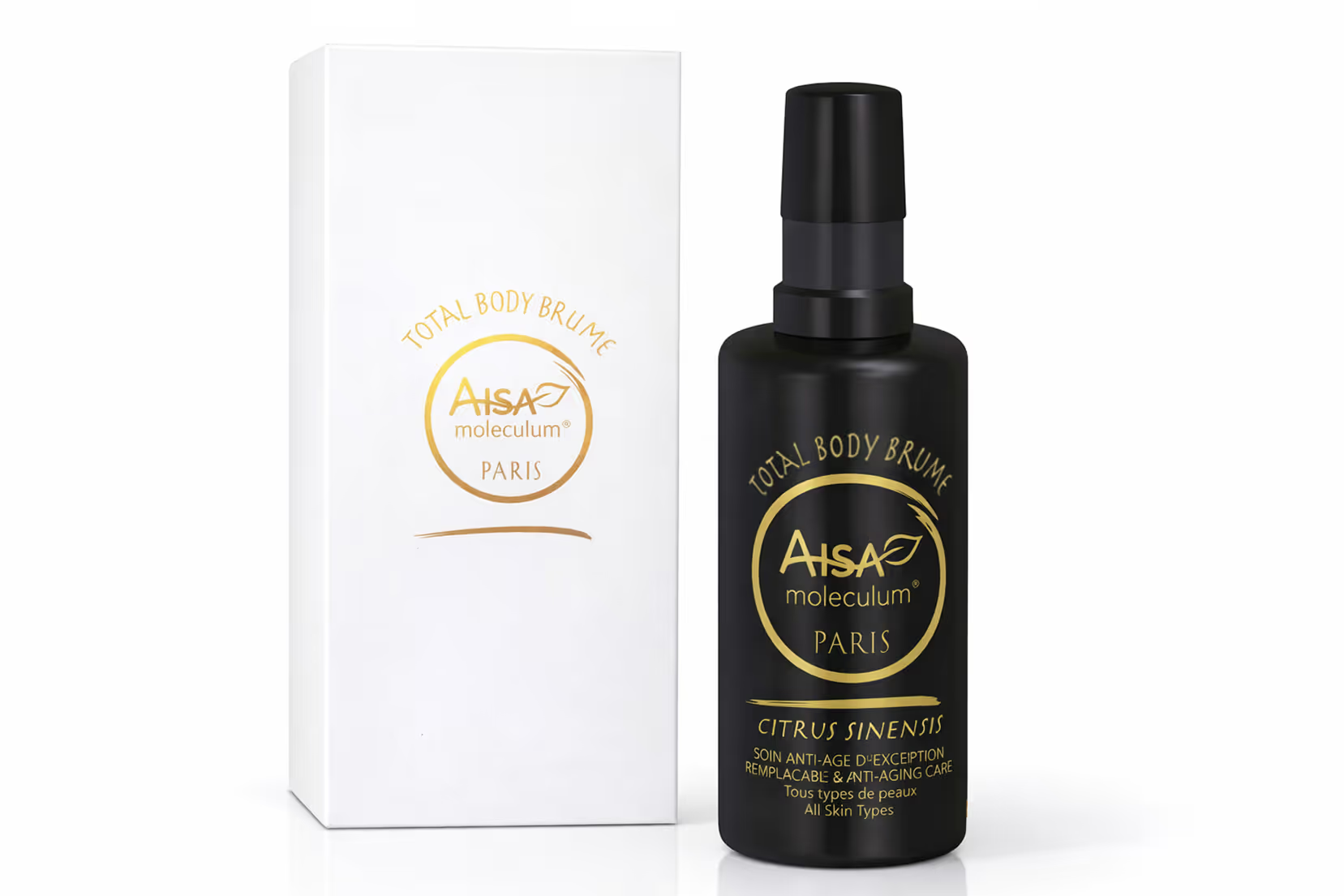
Total Body Brume
Chronic skin inflammation represents a potential gateway for microorganisms and infections.
TARIF
€
300.00
A European clinical study involving 138 healthy patients (ages 65–85).

FAQ
Everything you need to know before placing an order: simple and clear.
What Neurological Disease Causes Muscle Pain?
Several neurological diseases can cause muscle pain. Multiple sclerosis can cause painful muscle spasms, nerve pain and intense fatigue. Peripheral neuropathy, often linked to diabetes, vitamin B12 deficiency, alcohol or some infections, damages the nerves and causes burning, numbness and pain in the limbs. Polymyositis, a rare autoimmune disease of the muscles rather than the nerves, causes muscle inflammation with pain and progressive weakness. If you have persistent muscle pain with weakness or numbness, a neurological examination and blood tests are needed.[2]
What Are the Causes of Muscular, Joint, and Nerve Pain?
The causes are numerous and often intertwined. Muscle pain can follow effort or injury, chronic stress, a viral infection, some medicines or an autoimmune disease. Joint pain is most often linked to osteoarthritis, rheumatoid arthritis, gout or spondylitis. Nerve pain comes from damage to or dysfunction of the nervous system: nerve compression, neuropathy, central sensitisation or a neurological disease. Inflammation plays a role in many of these causes, but not all of them, which is why a precise diagnosis comes first, and a comprehensive approach combining diet, stress management, regular activity and appropriate treatment works best.[7, 9]
Can Osteoarthritis Cause Chest Pain?
Yes. Osteoarthritis of the thoracic spine or of the joints between the ribs and the spine can cause pain that radiates to the chest, the ribs or the breastbone. Inflammation of the rib cartilage (costochondritis) can do the same. But chest pain must never be put down to osteoarthritis without first ruling out a heart or lung problem: sudden or severe chest pain, especially with breathlessness, sweating or pain in the arm or jaw, needs emergency care.
What’s the Link Between Joint and Muscle Pain and Stress?
Chronic stress keeps the stress system switched on. Immune cells become less responsive to cortisol, the hormone that normally calms inflammation, and the gut barrier becomes more permeable. At the same time, stress keeps muscles tense, especially in the back, neck and shoulders. Over time the nervous system can become hypersensitive and amplify pain signals. Managing stress, through slow breathing, moderate movement, meditation or restorative sleep, is therefore part of any approach to chronic pain.[3, 4, 9]
What Disease Attacks the Muscles and the Nerves?
Several diseases affect the muscles and the nerves. Amyotrophic lateral sclerosis (ALS) progressively destroys the motor nerves and causes muscle wasting and weakness; cramps and pain are common. Guillain-Barré syndrome is an acute condition in which the immune system attacks the peripheral nerves, causing pain and rapidly increasing weakness: it is an emergency. Myasthenia gravis disrupts the junction between nerves and muscles and causes weakness that worsens with effort. Dermatomyositis and polymyositis attack the muscles themselves. All these diseases need specialist diagnosis and care: see a doctor without delay if you notice progressive weakness.
Latest posts
Did you enjoy this latest article? If so, you might be interested in this selection.










Ready to slow down the aging process?
Sign up for our newsletter and join the thousands of people who follow us to regain energy, vitality, and well-being.

Your cart summary
Product Name
$0
$0
-
Thank you! Your submission has been received!
Oops! Something went wrong while submitting the form.
+
Success message won't be visible to user. Coupon title will be listed below if it's valid.
Coupon1
Coupon2
Success message won't be visible to user.
Error message won't be visible to user.