Can glutathione help you get your energy back or age better? When you read the phrase “master antioxidant”, it’s easy to imagine a molecule that protects against everything. Its role in the body is important, but the claims made for supplements call for a closer look.
The benefits of the glutathione naturally present in your cells are well studied. They don’t automatically show that a course of supplements will improve your health. A rise in a biological marker and a benefit you can feel are two different results.
Here’s how to understand this molecule and judge products with realistic expectations.

Key Takeaways
- The molecule and the supplement are two different things.
- Look at what a study measures, not just the marker.
- Eat a varied diet. No food is a miracle.
- Compare the finished product, not its advertised formula.
- Lasting tiredness? Look for the cause.
- Before a course, ask for advice.
What are the benefits of glutathione in the body?
Why are researchers so interested in it? Glutathione takes part in several essential functions.
The right starting point is to separate what the molecule does in the body from what a product taken as a supplement delivers.
What is glutathione and how is it made?
Is it a vitamin you have to find in food? Glutathione is a small peptide made of three amino acids: glutamate, cysteine and glycine. Your cells can make it through enzyme reactions.[1]
What do the reduced and oxidised forms mean?
Seen the letters GSH or GSSG on a product label? GSH is the reduced form, while GSSG is an oxidised form.
Why is it called the master antioxidant?
Does the phrase mean it beats all the others? It highlights its important place in cellular defences. It isn’t a universal ranking that tells you which supplement is “best”.
Glutathione works within a whole set of systems. Other molecules and enzymes have complementary roles. The benefit of a supplement can’t be inferred from a nickname, even when that nickname reflects a real biological function.
To understand this balance between oxidants and defences, read our article on oxidative stress and free radicals.
{{cocon}}
What does it do for the liver, immunity and ageing?
Does glutathione only act against free radicals? Its metabolism also takes part in important reactions in the liver and in immune mechanisms.[1] That’s why it is studied in a range of health conditions.
Seeing a change in glutathione in a disease doesn’t prove that a supplement can prevent or treat it. And identifying a cellular mechanism isn’t enough to show that ageing slows down in humans.
To discover the scientific approach presented by AISA Care, see the page on cellular senescence and inflammaging. It is not evidence that a glutathione supplement works.
What do studies on glutathione supplements show?
Can a capsule raise the glutathione measured in your body? Trials give mixed results depending on their length, their participants and the preparations used.
{{cta}}
Does taking it by mouth raise the body’s stores?
The first trial doesn’t show that taking glutathione by mouth is always useless. The second doesn’t show that every user will have more energy or be protected from disease.[3, 4]
Changing a biological measurement is a research step; on its own, it isn’t a proven clinical benefit. The doses studied are not a general recommendation for a course.
Is liposomal glutathione better?
Does the word “liposomal” guarantee better results? It describes a formulation that uses lipid structures to carry a compound.
Can a deficiency be recognised or measured?
Does tiredness or slow recovery mean you lack glutathione? These symptoms can’t tell you that. They have many possible causes.
Glutathione is measured in different samples and by different methods. How the sample is taken and prepared, and oxidation reactions, can all affect the results.[2]
How can you support your intake day to day?
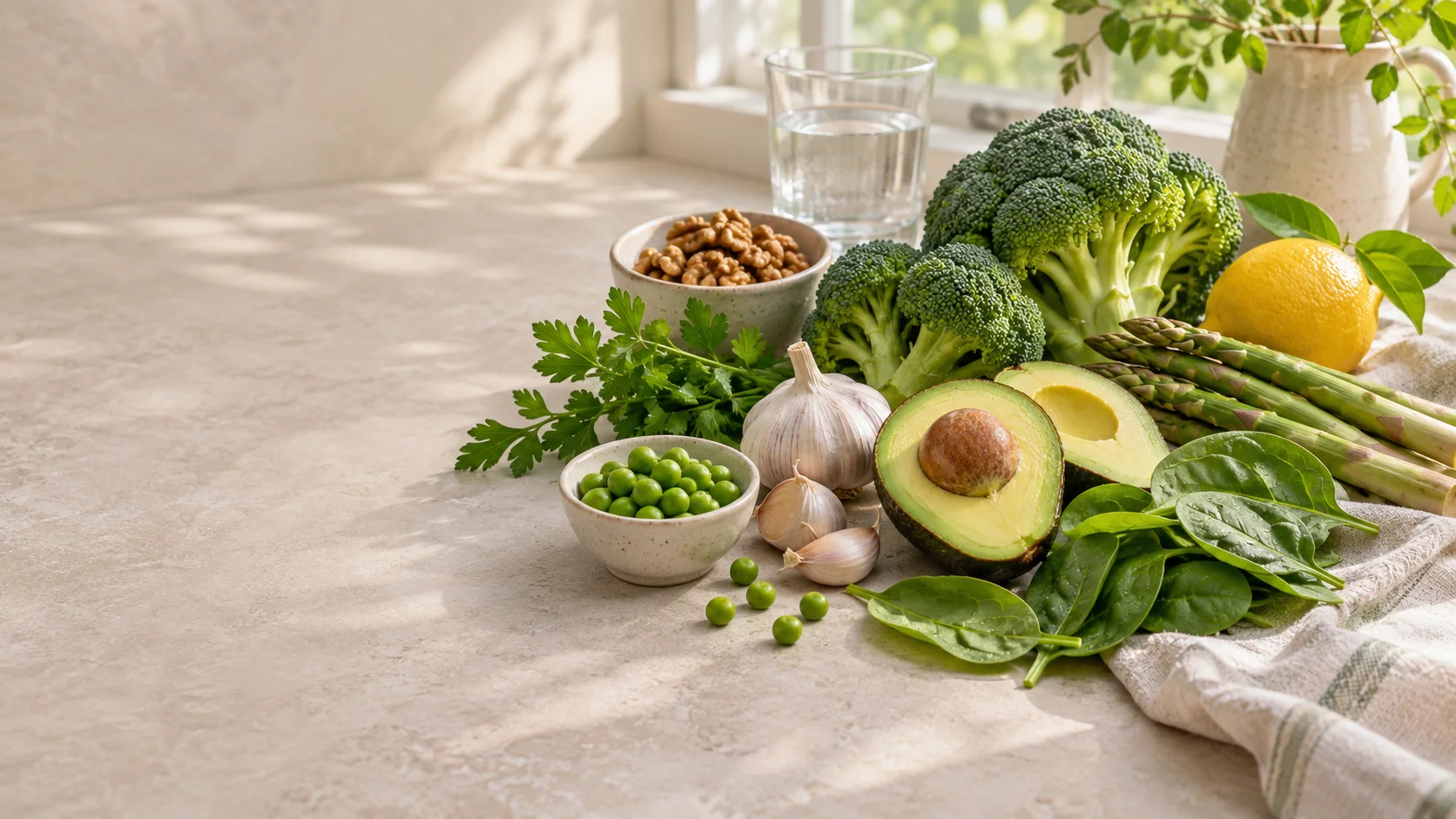
Should you look for an exceptional food? Cells use amino acids to make glutathione. In practice, the goal is a varied, sufficiently nourishing diet, with protein sources suited to your needs.[1]
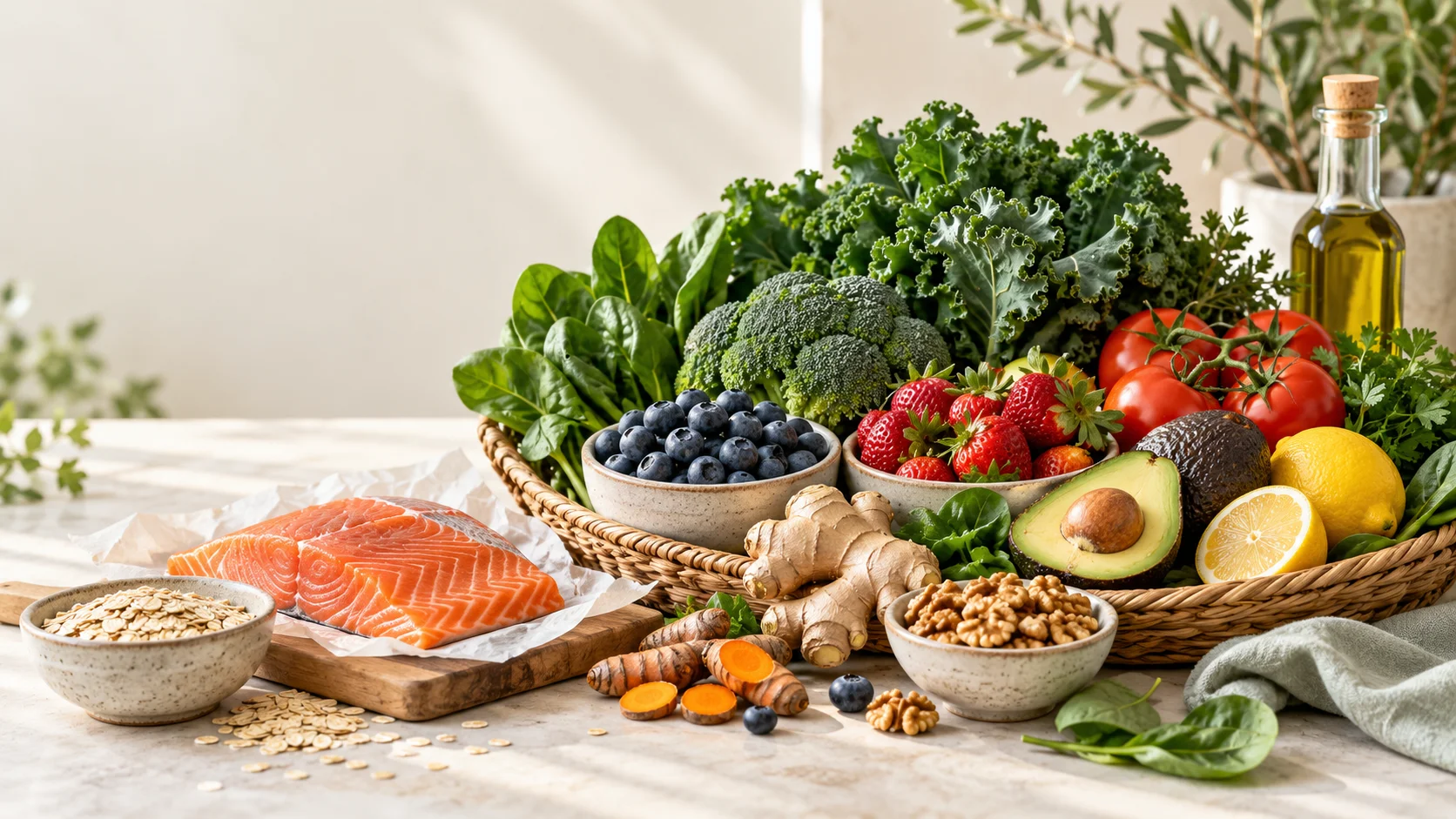
For your meals, keep it simple: a variety of plants, beans and pulses, whole grains and a range of protein and fat sources.[7] A lunch of lentils, vegetables and wholemeal bread is enough, without calculating the glutathione in every ingredient. You’ll find these guidelines in our guide to the anti-inflammatory diet.
Glutathione dosage and side effects: what precautions?
Can you copy the dose from a clinical trial? The studies cited don’t establish a universal dose that improves health for all adults. An experimental dose answers a specific question, in a specific population.
How can you judge a longevity claim?
Reading “antioxidant”, “detox” or “anti-ageing”? Ask what evidence lies behind each word.
To find out about the brand’s range, you can look at AISA Moleculum Capsules. This article does not establish that they raise glutathione or slow ageing.
Sources
- Lu S.C., “Glutathione synthesis”, Biochimica et Biophysica Acta, 2013. PMID 22995213
- Forman H.J., Zhang H., Rinna A., “Glutathione: Overview of its protective roles, measurement, and biosynthesis”, Molecular Aspects of Medicine, 2009. PMC2696075
- Allen J., Bradley R.D., “Effects of oral glutathione supplementation on systemic oxidative stress biomarkers in human volunteers”, 2011. PMID 21875351
- Richie J.P. et al., “Randomized controlled trial of oral glutathione supplementation on body stores of glutathione”, European Journal of Nutrition, 2015. PMID 24791752
- Sinha R. et al., “Oral supplementation with liposomal glutathione elevates body stores of glutathione and markers of immune function”, European Journal of Clinical Nutrition, 2018. PMC6389332
- “A Targeted Metabolomic Assessment of Oral Glutathione Bioavailability and Safety in Humans: A Randomized Crossover Clinical Trial”, 2026 (indexed record). PMID 41897500
- NHS, “Eating a balanced diet”. nhs.uk
- NIH, NCCIH, “Using Dietary Supplements Wisely”. nccih.nih.gov
- FDA, “FDA reminds compounders not to use dietary supplement grade glutathione for injectables”, 27 August 2026. fda.gov
You might be interested in this product
Anti-inflammatory capsules
«Inside-out» dietary supplement supports the integrity of the intestinal barrier and a balanced microbiome, helping to manage stress. 2 to 4 capsules daily on an empty stomach. Content corresponds to a take for 2–3 weeks. European clinical study on 138 healthy patients aged 65–85, for 45 days.

TARIF
€
120.00
A European clinical study involving 138 healthy patients (ages 65–85).


FAQ
Everything you need to know before placing an order: simple and clear.
Does glutathione give you energy?
Trials on glutathione stores can’t guarantee an effect on tiredness. Persistent fatigue first deserves a look at its causes with a doctor.
Can a course of glutathione detox your liver?
Glutathione takes part in reactions that process certain substances in the liver, but that function doesn’t validate the general “detox” claims of commercial products.[1]
Are there foods high in glutathione?
Some foods contain glutathione, but your body mainly makes its own from amino acids. Rather than chasing particular foods, eat a varied diet with a range of protein sources.[1, 7]
Should you take it as you get older?
Age alone isn’t enough to conclude that you personally need it. The studies cited don’t show that a routine course improves longevity.
Glutathione vs NAC: are they the same?
No. Cysteine is one of the building blocks of glutathione; N-acetylcysteine, or NAC, is a different compound. Their effects and uses can’t be treated as interchangeable: each product and its purpose must be assessed separately.[1]
Can you combine several antioxidants?
Benefits don’t automatically add up. A combination needs to be assessed in its own right, and supplements can interact with medicines or other products. An antioxidant effect is no guarantee of safety.[8]
Latest posts
Did you enjoy this latest article? If so, you might be interested in this selection.















Ready to slow down the aging process?
Sign up for our newsletter and join the thousands of people who follow us to regain energy, vitality, and well-being.

Your cart summary
Product Name
$0
$0
-
Thank you! Your submission has been received!
Oops! Something went wrong while submitting the form.
+
Success message won't be visible to user. Coupon title will be listed below if it's valid.
Coupon1
Coupon2
Success message won't be visible to user.
Error message won't be visible to user.