
Understanding & relieving inflammation
Chronic Inflammation: How Do You Identify It and Reduce It Without Medication?

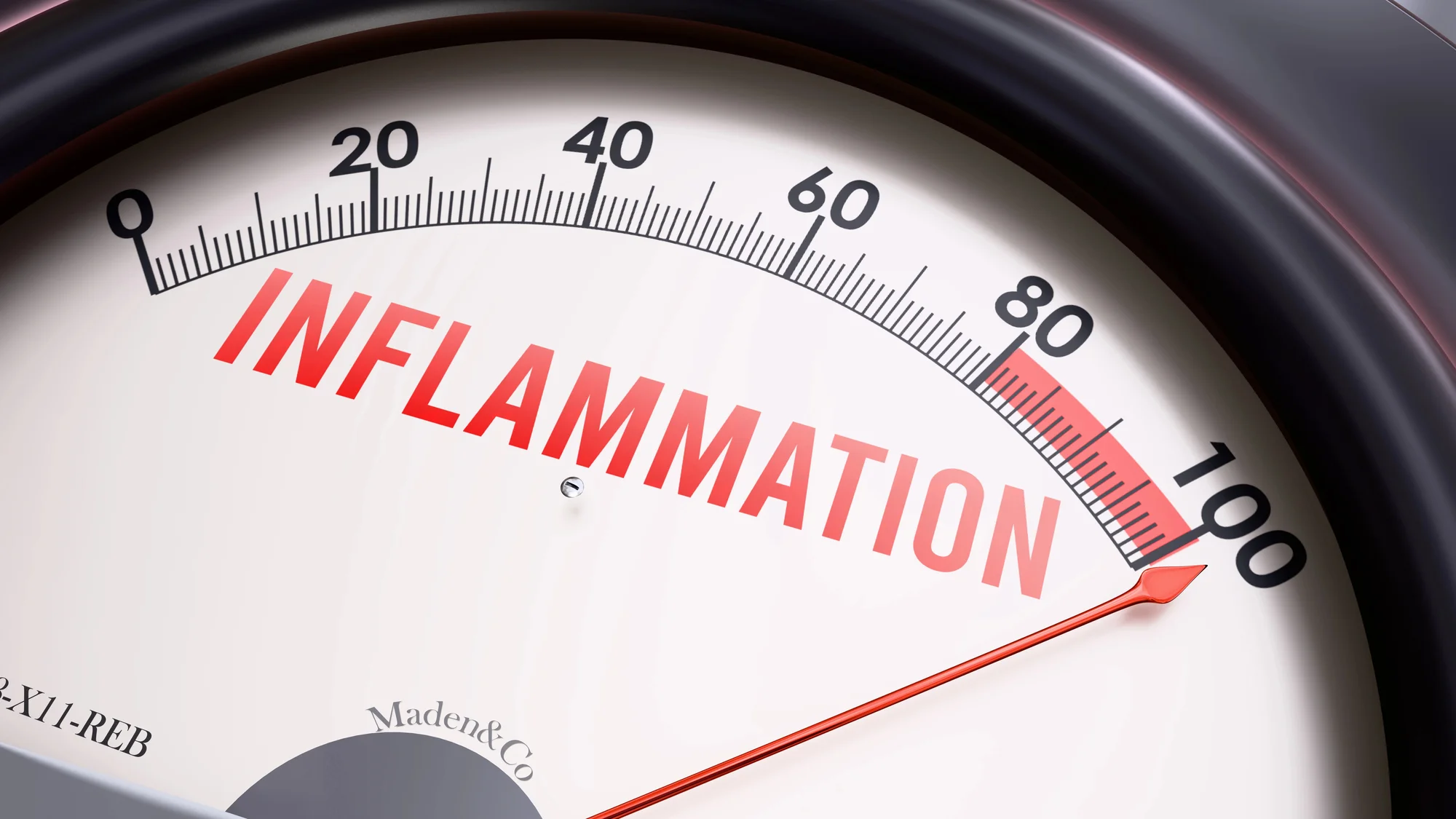
Have you ever felt that persistent fatigue, that diffuse pain, that digestive system going haywire… with no real medical explanation?
These symptoms often share an unsuspected common thread: chronic inflammation. And yet, inflammation isn't your enemy. It's first and foremost a natural response of the body to an injury or infection. Your immune system sends specialized cells, activates blood circulation, and repairs damaged tissue. A normal inflammatory response, essential to your survival.
But when this inflammatory process no longer switches off, it becomes chronic. Silent. Of low grade. It disrupts your gut microbiota and undermines your quality of life — potentially leading to autoimmune diseases, chronic pain, or severe digestive disorders.
The good news? Your lifestyle can change a lot. Anti-inflammatory diet, physical activity, stress management, natural anti-inflammatories like saffron, ginger, or green tea… Here are all the tips to relieve inflammation naturally, without medication.

Key Takeaways
- Acute inflammation heals, then stops.
- Chronic inflammation is often silent.
- High-sensitivity CRP can detect it.
- Eat the Mediterranean way.
- Move daily and sleep seven hours.
- Natural approaches complement medical treatment.
What Is Inflammation and How Does It Work in Your Body?
Imagine cutting your finger while cooking. Within minutes, the area turns red, swells and heats up. It’s uncomfortable. But it’s exactly what your body needs to do.
Inflammation is a defence response of the body, a mechanism refined over millions of years of evolution. Without it, the slightest injury or infection could be fatal. So the problem isn’t inflammation itself. The problem is when it doesn’t stop.
How Does Your Body Trigger the Inflammatory Response?
The moment an assault occurs, whether a wound, a microbe, a toxin or a mechanical injury, your body triggers a cascade of very fast reactions.
Your blood vessels briefly contract, then dilate. This vasodilation increases blood flow to the site, which is why the skin turns red and warm. The vessels then become more permeable, allowing immune cells to leave the bloodstream and migrate toward the damaged tissue, a process called diapedesis.
The first defence cells, neutrophils and macrophages, arrive in large numbers. They neutralise microbes, clear debris and start the repair of damaged tissue. At the same time, pro-inflammatory cytokines such as TNF-α, IL-1 and IL-6 coordinate the immune response and alert the nervous system. Bacterial toxins such as LPS (lipopolysaccharide) are among the strongest triggers of this cytokine release. It’s a finely orchestrated operation: fast, targeted, and normally limited in time.[2]
An often overlooked actor also takes part: the vagus nerve. It connects your brain to your gut, heart and lungs, and it can dampen the release of cytokines, a mechanism known as the inflammatory reflex.[3] Slow breathing and relaxation activate the parasympathetic system to which it belongs; whether they lower inflammation in the same way is still being studied.
What Are the 5 Cardinal Signs of Inflammation?
Physicians have described the signs of acute inflammation since antiquity: four by the Roman writer Celsus, and a fifth added in the 19th century. They are still used by every healthcare professional today.[2]
When all goes well, acute inflammation resolves within days to a few weeks, and tissue repair proceeds naturally. It’s the “good” inflammation, the kind that does its job and moves on.
When Does Inflammation Become Dangerous?
In chronic low-grade inflammation, these five signs are usually absent. No fever. No persistent redness. No localised swelling. Inflammation becomes silent, invisible: what is known as silent inflammation, or low-grade inflammation.
When this alarm signal doesn’t switch off, the immune system keeps running its pro-inflammatory programme. Over time it can damage cells and tissues and is associated with faster cellular ageing. This process can last months, even years, without your being aware of it, until a disease eventually appears.[1]
Which is precisely why understanding this mechanism, and acting early, matters.
Chronic Inflammation: Symptoms, Causes, and Associated Diseases
Chronic inflammation doesn’t appear overnight. It sets in gradually, often against a backdrop of chronic stress, a poor diet, lack of exercise, excess weight, smoking or a poorly resolved infection, and can go unnoticed for months, even years.[1]
{{cocon}}
How Do You Recognize It?
The symptoms are diffuse and easily blamed on “fatigue” or “age”: unexplained joint pain, persistent fatigue, recurring digestive disorders, reactive skin, brain fog, insomnia and frequent infections. None of these signs is specific to inflammation, but together they deserve attention. Your body is talking. You just have to listen.
Why Is It So Hard to Detect?
Unlike acute inflammation, silent inflammation shows neither fever nor obvious redness. It is detected through blood markers, mainly high-sensitivity CRP, sometimes ESR or fibrinogen, which are not checked systematically. IL-6 is mostly measured in research. In my own observation, many people go for years before the link is made.
What Diseases Does It Cause?
Chronic inflammation is involved in many serious conditions. Some are inflammatory diseases in their own right, such as rheumatoid arthritis, Crohn’s disease, ulcerative colitis (IBD), psoriasis and other autoimmune diseases. In others, such as type 2 diabetes, obesity, cardiovascular disease, Alzheimer’s disease or depression, low-grade inflammation is one of the contributing factors.[1] It isn’t the disease. It’s part of the ground on which they grow.
What Role Does Your Gut Play?
Your digestive tract hosts a large share of your immune system, often estimated at about 70%.[5] When your microbiota is balanced, it produces anti-inflammatory molecules and helps protect the gut barrier. Chronic stress and a diet low in fibre and rich in sugar and processed meat can disturb the microbiota, a state called dysbiosis, and make the gut barrier more permeable.[6] Bacterial fragments and inflammatory signals can then reach the bloodstream. Researchers are studying how this may contribute to fatigue, anxiety or chronic pain; the link is plausible but not yet proven. Think of a dam starting to crack: at first, just a few drops. Taking care of your gut is one way of taking care of your inflammation.
How Can You Reduce Inflammation Naturally, Without Medication?
Your body has powerful ways to calm inflammation on its own. Your daily habits can help it work under the right conditions.
{{cta}}
Which Anti-Inflammatory Foods Should You Favor — and Which Should You Avoid?
Your plate is one of your first tools. Every meal sends your body signals. A Mediterranean-style diet lowers inflammation markers such as CRP and IL-6.[7] Extra virgin olive oil contains oleocanthal, which acts like ibuprofen on the same enzymes in the laboratory.[8] Oily fish provides omega-3, and whole grains and pulses feed your microbiota. Spices such as ginger, turmeric (with black pepper), paprika, which contains capsaicin, and saffron have anti-inflammatory properties in laboratory studies.
Which Drink Reduces Inflammation?
Green tea is probably the best-studied drink: its catechins inhibit several inflammatory pathways in the laboratory, and a few cups a day fit easily into a healthy diet. Ginger, peppermint or hibiscus infusions complement an anti-inflammatory diet. Water, drunk regularly throughout the day, remains the foundation.
What Is the Strongest Natural Anti-Inflammatory?
There is no single miracle remedy. Among the best-studied substances: omega-3 EPA and DHA from oily fish, which modestly reduced pain in rheumatoid arthritis;[10] boswellia, with modest benefits in osteoarthritis;[11] quercetin, a flavonoid found in capers and red onions, which modulates inflammation in the laboratory thanks to its antioxidant action; saffron; and d-limonene, extracted from orange peel. In rats with colitis, d-limonene reduced gut inflammation about as much as ibuprofen; it has not been compared with IBD treatments in patients.[12]
Beyond the Plate: Sleep, Movement, and Stress Management
Chronic stress and inflammation share the same biological alarm system. When stress lasts, immune cells become less responsive to cortisol, the hormone that normally calms inflammation,[14] and the gut barrier becomes more permeable.[6] Managing your stress isn’t a luxury: it’s a basic act of psycho-physical hygiene.
Each time your muscles contract during moderate physical activity, they release myokines, messenger molecules with anti-inflammatory effects.[15] A 30-minute walk a day, stretching or yoga, swimming, slow breathing and heart coherence exercises all help, and the last two activate the vagus nerve. Moving regularly, even a little, is worth far more than occasional intense sessions.
Sleep matters too. Poor-quality sleep is associated with higher CRP and IL-6, and short sleep with higher CRP.[16] Adults are advised to sleep at least 7 hours a night.[17]
Finally, intermittent fasting, such as the 16/8 model, is being studied for its effects on weight, insulin and inflammation markers. Results in humans are still mixed, and it isn’t suited to everyone.
For joint pain: omega-3 from oily fish, cold during acute flare-ups, and gentle heat outside of flare-ups. Ask your doctor to check your vitamin D: in a large trial, vitamin D supplements reduced new cases of autoimmune disease by 22%.[18]
Sources
- Furman D et al. Chronic inflammation in the etiology of disease across the life span. Nature Medicine, 2019;25(12):1822-1832. DOI 10.1038/s41591-019-0675-0. pubmed.ncbi.nlm.nih.gov
- Medzhitov R. Inflammation 2010: new adventures of an old flame. Cell, 2010;140(6):771-776. DOI 10.1016/j.cell.2010.03.006. doi.org
- Tracey KJ. The inflammatory reflex. Nature, 2002;420(6917):853-859. DOI 10.1038/nature01321. doi.org
- Koopman FA et al. Vagus nerve stimulation inhibits cytokine production and attenuates disease severity in rheumatoid arthritis. PNAS, 2016;113(29):8284-8289. DOI 10.1073/pnas.1605635113. pubmed.ncbi.nlm.nih.gov
- Vighi G, Marcucci F, Sensi L, Di Cara G, Frati F. Allergy and the gastrointestinal system. Clinical and Experimental Immunology, 2008;153(Suppl 1):3-6. DOI 10.1111/j.1365-2249.2008.03713.x. pubmed.ncbi.nlm.nih.gov
- Vanuytsel T et al. Psychological stress and corticotropin-releasing hormone increase intestinal permeability in humans by a mast cell-dependent mechanism. Gut, 2014;63(8):1293-1299. DOI 10.1136/gutjnl-2013-305690. pubmed.ncbi.nlm.nih.gov
- Schwingshackl L, Hoffmann G. Mediterranean dietary pattern, inflammation and endothelial function: a systematic review and meta-analysis of intervention trials. Nutrition, Metabolism & Cardiovascular Diseases, 2014;24(9):929-939. DOI 10.1016/j.numecd.2014.03.003. pubmed.ncbi.nlm.nih.gov
- Beauchamp GK et al. Ibuprofen-like activity in extra-virgin olive oil. Nature, 2005;437(7055):45-46. DOI 10.1038/437045a. doi.org
- EFSA Panel on Food Additives and Nutrient Sources. Scientific opinion on the safety of green tea catechins. EFSA Journal, 2018;16(4):5239. DOI 10.2903/j.efsa.2018.5239. efsa.europa.eu
- Senftleber NK et al. Marine oil supplements for arthritis pain: a systematic review and meta-analysis of randomized trials. Nutrients, 2017;9(1):42. DOI 10.3390/nu9010042. pubmed.ncbi.nlm.nih.gov
- Cameron M, Chrubasik S. Oral herbal therapies for treating osteoarthritis. Cochrane Database of Systematic Reviews, 2014;(5):CD002947. DOI 10.1002/14651858.CD002947.pub2. pmc.ncbi.nlm.nih.gov
- d’Alessio PA, Ostan R, Bisson JF, Schulzke JD, Ursini MV, Béné MC. Oral administration of d-limonene controls inflammation in rat colitis and displays anti-inflammatory properties as diet supplementation in humans. Life Sciences, 2013;92(24-26):1151-1156. DOI 10.1016/j.lfs.2013.04.013. doi.org
- Marx W et al. Effect of saffron supplementation on symptoms of depression and anxiety: a systematic review and meta-analysis. Nutrition Reviews, 2019;77(8):557-571. DOI 10.1093/nutrit/nuz023. doi.org
- Cohen S et al. Chronic stress, glucocorticoid receptor resistance, inflammation, and disease risk. PNAS, 2012;109(16):5995-5999. DOI 10.1073/pnas.1118355109. pubmed.ncbi.nlm.nih.gov
- Gleeson M et al. The anti-inflammatory effects of exercise: mechanisms and implications for the prevention and treatment of disease. Nature Reviews Immunology, 2011;11(9):607-615. DOI 10.1038/nri3041. research.birmingham.ac.uk
- Irwin MR, Olmstead R, Carroll JE. Sleep disturbance, sleep duration, and inflammation: a systematic review and meta-analysis of cohort studies and experimental sleep deprivation. Biological Psychiatry, 2016;80(1):40-52. DOI 10.1016/j.biopsych.2015.05.014. pmc.ncbi.nlm.nih.gov
- Watson NF et al. Recommended amount of sleep for a healthy adult: a joint consensus statement of the American Academy of Sleep Medicine and Sleep Research Society. Sleep, 2015;38(6):843-844. DOI 10.5665/sleep.4716. doi.org
- Hahn J et al. Vitamin D and marine omega 3 fatty acid supplementation and incident autoimmune disease: VITAL randomized controlled trial. BMJ, 2022;376:e066452. DOI 10.1136/bmj-2021-066452. doi.org
- Kloppenburg M et al. 2018 update of the EULAR recommendations for the management of hand osteoarthritis. Annals of the Rheumatic Diseases, 2019;78(1):16-24. DOI 10.1136/annrheumdis-2018-213826. ard.bmj.com
- Anses, Vigil’Anses no. 17, “Curcuma et effets hépatiques”, June 2022. vigilanses.anses.fr
- Ostan R, Béné MC, Spazzafumo L, et al., d’Alessio PA. Impact of diet and nutraceutical supplementation on inflammation in elderly people. Results from the RISTOMED study, an open-label randomized control trial. Clinical Nutrition, 2016;35(4):812-818. DOI 10.1016/j.clnu.2015.06.010. doi.org
You might be interested in this product
Anti-inflammatory capsules
«Inside-out» dietary supplement supports the integrity of the intestinal barrier and a balanced microbiome, helping to manage stress. 2 to 4 capsules daily on an empty stomach. Content corresponds to a take for 2–3 weeks. European clinical study on 138 healthy patients aged 65–85, for 45 days.

TARIF
€
120.00
A European clinical study involving 138 healthy patients (ages 65–85).

FAQ
Everything you need to know before placing an order: simple and clear.
How Do You Treat Chronic Inflammation Over the Long Term?
There’s no quick solution: it’s about lasting habits. The pillars are a Mediterranean-style diet rich in fibre, looking after your gut barrier and microbiota (fibre, fermented foods), stress management, at least 7 hours of sleep, and about 30 minutes of moderate movement a day. Effects on well-being can appear within a few weeks; markers take longer to change. Ask your doctor which markers to follow, for example high-sensitivity CRP, blood sugar or liver tests.[7, 17]
How Do You Treat Inflammation Without Medication?
In low-grade inflammation linked to lifestyle, diet, regular moderate exercise, sleep and stress management are the approaches with the best evidence. Omega-3, olive oil and green tea act on inflammatory pathways, mostly shown in the laboratory or with modest effects in people. Massage, acupuncture or infrared sauna may help some people feel better, but their effect on inflammation is not established. If you have a diagnosed inflammatory disease, such as rheumatoid arthritis or IBD, your prescribed treatment remains essential: these approaches complement it.[10, 15]
What Natural Anti-Inflammatory Is Best for a Diabetic?
Type 2 diabetes and chronic inflammation are closely linked: inflammatory molecules such as TNF-α worsen insulin resistance. Diet and exercise come first. Oily fish, olive oil, unsweetened green tea and ginger in culinary amounts are reasonable choices. Be careful with turmeric supplements, which can add to the effect of some diabetes medicines and have been linked to liver injury. In the RISTOMED study, healthy older adults who took d-limonene with a balanced diet saw their blood sugar, insulin and insulin resistance fall, but this does not show an effect in diabetes. Always talk to your doctor before taking a supplement if you have diabetes.[20, 21]
What Anti-Inflammatory Helps With Thumb Arthritis (Rhizarthrosis)?
Thumb-base arthritis is a form of osteoarthritis. European recommendations advise exercises for the hand, a thumb splint (orthosis) to relieve pain, and anti-inflammatory gels as the first medicine. Cold during flares and gentle heat between them can help. Among supplements, boswellia has modest evidence in osteoarthritis. Wintergreen essential oil contains methyl salicylate, a substance related to aspirin: avoid it if you take blood thinners, are allergic to aspirin, are pregnant, and keep it away from children. Thumb arthritis can’t be cured, but with the right care, daily life often improves considerably.[11, 19]
Latest posts
Did you enjoy this latest article? If so, you might be interested in this selection.






Ready to slow down the aging process?
Sign up for our newsletter and join the thousands of people who follow us to regain energy, vitality, and well-being.

Your cart summary
Product Name
$0
$0
-
Thank you! Your submission has been received!
Oops! Something went wrong while submitting the form.
+
Success message won't be visible to user. Coupon title will be listed below if it's valid.
Coupon1
Coupon2
Success message won't be visible to user.
Error message won't be visible to user.