

Do you really need to fight every free radical to protect your cells? Between “antioxidant” products and anti-ageing advice, you may feel your body needs constant defending against its own reactions.
The reality is more nuanced. Your body naturally produces reactive molecules and has systems to regulate them. Oxidative stress appears when that balance is disrupted, with possible effects on cells.[1]
Understanding this mechanism helps you choose useful habits, without expecting a food or a capsule to fix everything.

Key Takeaways
- Aim for balance, not zero oxidants.
- Stopping smoking is still the key step.
- Eat a varied diet. No food is a miracle.
- Protect yourself from UV, as usual.
- Move and recover every day.
- Considering a supplement? Get advice first.
- Symptoms that last? See a doctor.
What is oxidative stress?
Picture a pair of scales: on one side, oxidising reactions; on the other, the systems that regulate them. This image simplifies a far more complex reality, but it helps convey the central idea.
Oxidative stress means an imbalance in favour of oxidants, which can disrupt communication between cells and damage cell components. It doesn’t simply describe the presence of free radicals.[1]
What are free radicals?
Why do these molecules react so easily? A free radical has an unpaired electron, which can make it highly reactive. Some of these species are produced by the body’s normal functioning.[2]
You’ll also come across the term reactive oxygen species. It includes radicals and other molecules, such as hydrogen peroxide. So the two terms are not entirely interchangeable.[1, 3]
Why shouldn’t you try to get rid of them all?
If they can contribute to damage, why does the body make them? At regulated levels, some reactive species contribute to useful biological signals. Their role depends on their amount, their location and the context.[3]
The right goal is therefore a suitable balance, not a complete absence of oxidants. “More antioxidants” doesn’t automatically mean “better health”.
What can tip the balance?
Does it all come down to your diet? Many mechanisms are involved. Normal metabolism already produces reactive species, and some exposures can increase the oxidative load.
Exposures, biological defences and medical conditions interact in complex ways. To take action, focus first on modifiable factors with established health benefits, rather than on a long list of risks that are hard to measure.
{{cta}}
How is it linked to ageing and inflammation?
Could oxidative stress explain all of ageing? Researchers study it in many biological processes. But ageing and disease are multifactorial: identifying a mechanism in a cell is not enough to show a benefit in a person.
For the brand’s take on this subject, see the AISA Care page on silent inflammation. It doesn’t replace a medical assessment.
Does oxidative stress cause symptoms, and can it be measured?
Do tiredness, dull skin or slow recovery prove oxidative stress? These signs can’t be used to make that diagnosis. They have many possible causes and deserve assessment if they persist.
In research, various markers are used to study oxidising reactions and the damage associated with them. They explore different aspects of the process; they shouldn’t be read as a universal score of cellular health.[1]
How can you reduce oxidative stress day to day?
Want simple actions rather than a biochemistry lesson? The most useful habits are those of general prevention.
Why start with avoidable exposures?
Could a supplement make up for smoking? It doesn’t replace cutting down a harmful exposure. If you smoke, getting support to quit is an important step for your health.[4]
In the sun, stick to the usual protections: shade, clothing and suitable sunscreen. UV risks go beyond oxidative stress, and a diet rich in antioxidants doesn’t replace these measures.[5]
Start with one concrete step: book support to stop smoking, or plan your sun protection before a long day outdoors.
What should you keep in mind about food?
Should you only buy foods marketed as highly antioxidant? Your body uses several defence systems. Some substances come from food, while others are made by the body itself.[2]
Above all, choose a varied diet: fruit, vegetables, beans and pulses, whole grains and suitable sources of fat. These food groups are part of healthy-eating guidelines.[6] You’ll find them in our guide to the anti-inflammatory diet.
An orange, some carrots, lentils or a handful of walnuts can all have a place in your meals. You don’t need to pick every ingredient from an “antioxidant power” ranking. A lab test on a food doesn’t prove it will have the same effect once digested.
{{cluster}}
What role do movement and recovery play?
Does your schedule leave little room for rest? Moving regularly and limiting long periods of sitting are part of health guidelines. Adapt your activity to your abilities and build it up gradually.[8]
Recovery deserves its place too: keep regular sleep habits and have unusual tiredness checked. Our tips to manage stress and recover better can help. These habits support your general health; they are not a personalised treatment for oxidative stress.
Should you take antioxidant supplements?
If antioxidants help the body’s defences, why not take more? Results from supplements don’t automatically reproduce the benefits of a varied diet.
A supplement can have a specific use, but it should be assessed according to the product, the dose and your situation.
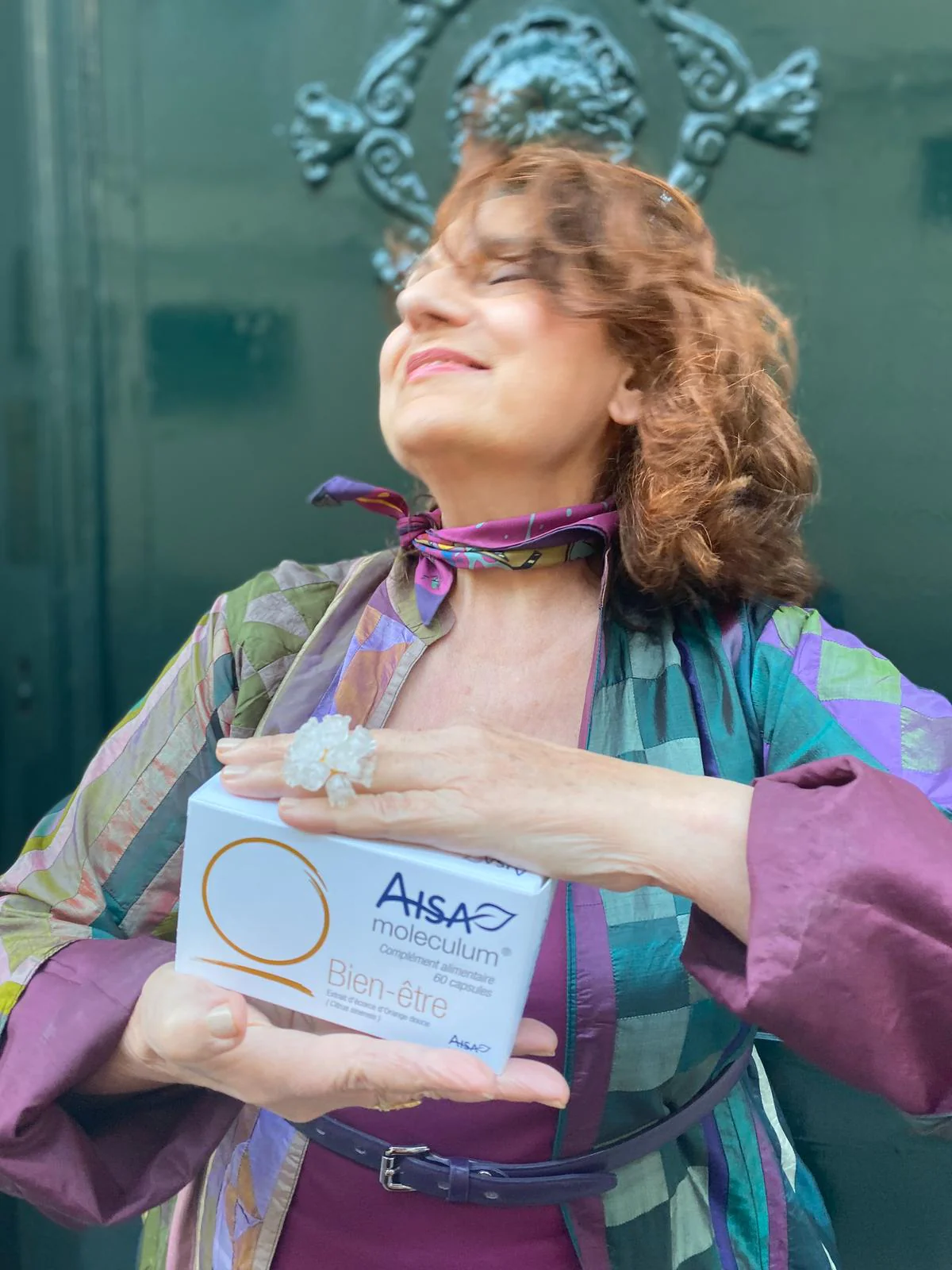
To find out about the brand’s range, you can discover AISA Moleculum Capsules. This article does not establish that they correct oxidative stress or prevent disease.
How can you judge a “protects your cells” claim?
A lab study can open up a lead. On its own, it doesn’t prove clinical effectiveness. Keeping this distinction in mind helps you read claims with realistic expectations.
Sources
- Sies H., Berndt C., Jones D.P., “Oxidative Stress”, Annual Review of Biochemistry, 2017. PMID 28441057
- National Cancer Institute, “Antioxidants and Cancer Prevention”. cancer.gov
- Sies H., “Hydrogen peroxide as a central redox signaling molecule in physiological oxidative stress: Oxidative eustress”, Redox Biology, 2017. PMC5256672
- NHS Better Health, “Quit smoking”. nhs.uk
- NHS, “Sunscreen and sun safety”. nhs.uk
- NHS, “Eating a balanced diet”. nhs.uk
- NIH, NCCIH, “Antioxidant Supplements: What You Need To Know”. nccih.nih.gov
- NHS, “Physical activity guidelines for adults aged 19 to 64”. nhs.uk
You might be interested in this product
Anti-inflammatory capsules
«Inside-out» dietary supplement supports the integrity of the intestinal barrier and a balanced microbiome, helping to manage stress. 2 to 4 capsules daily on an empty stomach. Content corresponds to a take for 2–3 weeks. European clinical study on 138 healthy patients aged 65–85, for 45 days.

TARIF
€
120.00
A European clinical study involving 138 healthy patients (ages 65–85).

FAQ
Everything you need to know before placing an order: simple and clear.
Is oxidative stress the same as psychological stress?
No. Here, “stress” describes a biological imbalance linked to oxidising reactions. Psychological stress is a different concept. Links between them are being studied, but the two terms are not synonyms. For the hormonal side, read our article on cortisol and the signs of high cortisol.
Can persistent tiredness reveal oxidative stress?
No. This symptom can’t identify oxidative stress. Have the cause investigated with your doctor rather than starting a supplement on that assumption alone.
What is the best antioxidant?
There isn’t one. Antioxidant defences work as a system: glutathione, certain enzymes and substances from food play different roles. A universal ranking of “antioxidant power” doesn’t explain clinical benefits.[1, 2]
Is exercise bad because it produces reactive species?
No. The presence of reactive species is not, on its own, proof of damage: some take part in normal signalling. Physical activity is still recommended for health, adapted to your condition.[3, 8]
Can you get rid of oxidative stress completely?
No. Producing reactive species is part of how the body works. The goal is not to eliminate them, and no “detox” can guarantee that.[1, 3]
Latest posts
Did you enjoy this latest article? If so, you might be interested in this selection.




Ready to slow down the aging process?
Sign up for our newsletter and join the thousands of people who follow us to regain energy, vitality, and well-being.

Your cart summary
Product Name
$0
$0
-
Thank you! Your submission has been received!
Oops! Something went wrong while submitting the form.
+
Success message won't be visible to user. Coupon title will be listed below if it's valid.
Coupon1
Coupon2
Success message won't be visible to user.
Error message won't be visible to user.